P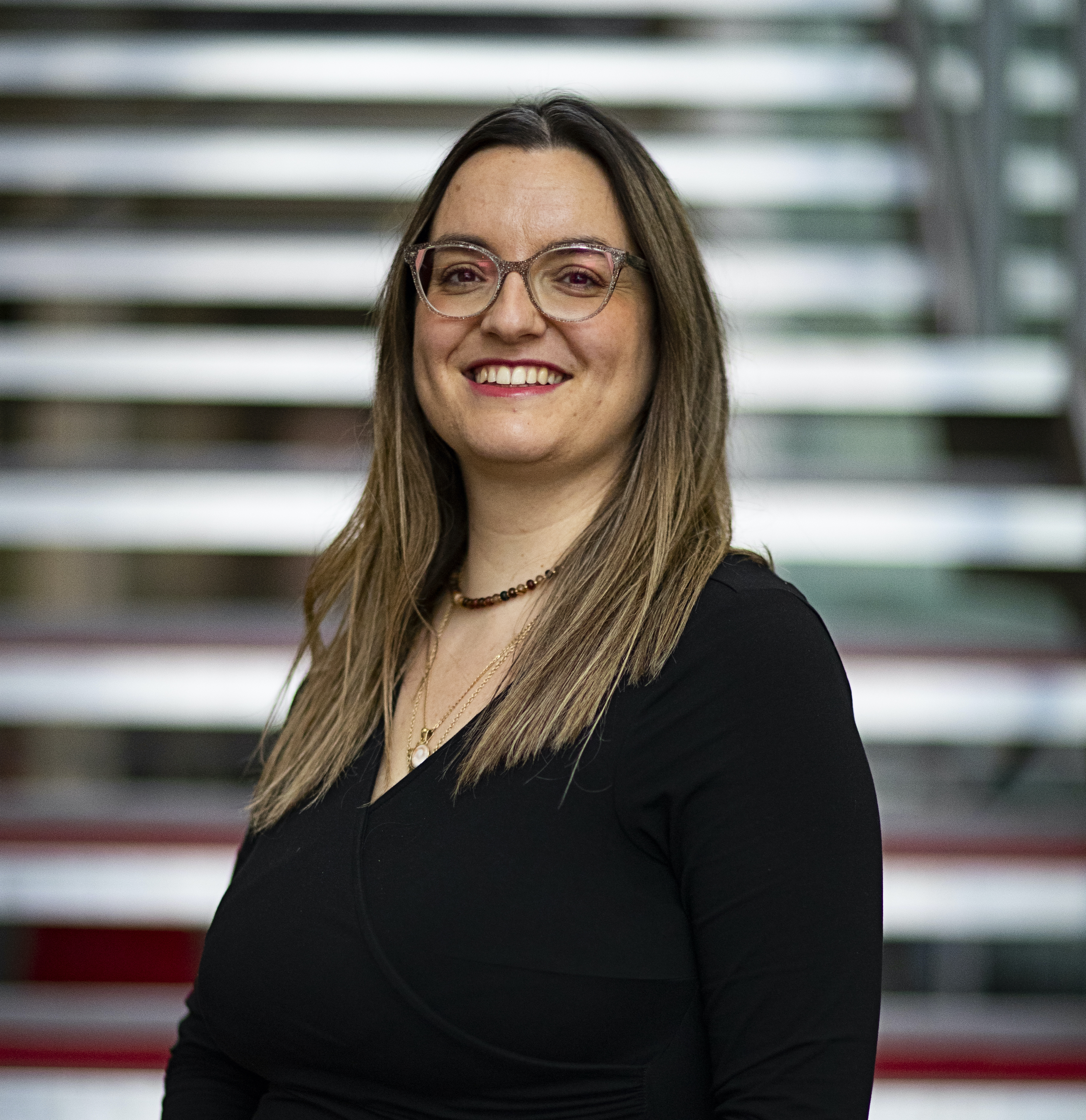 rofessor Christina Malamateniou has been a diagnostic MRI radiographer and academic scholar for the last 25 years. An associate professor at City St George's, she is considered a world expert in the field of AI and healthcare equity. She is an enthusiastic educator and passionate researcher, working not only for quality of education and research, but also for quality of culture amongst teams: for equity, inclusion and diverse representation.
In your opinion, what are the key issues and challenges for the radiology and radiation oncology workforce?
There are many challenges and many opportunities at the same time and often for the same reasons. This is the best time to work in this field because of the technological revolution enabled by artificial intelligence, remote scanning, new imaging technologies like photon counting CT and virtual reality and simulation. At the same time the pace of change means there is not always enough time to understand, ask questions and thoughtfully integrate the technology where it is actually needed. We do have a really talented workforce in the UK, but vacancies and understaffing mean that people don’t always have the time to do the “caring” part of healthcare; while surrounded by some truly magnificent, pioneering technologies people are sadly drowning in tons of admin and cannot harness their full potential.
If you could go back in time, what advice would you give your younger self?
Believe more, fear less, be bold!
Which two medical professionals (living or deceased) would you like to spend the evening with and why?
- Professor Marie Curie, because she was a woman, immigrant and pioneer, she had nothing and created everything, she was ahead of her time and loved people selflessly. She accomplished so much with so little, it must have felt so lonely at times for her, particularly after the untimely death of her husband, Pierre, but she persevered nevertheless. I love her spirit, her passion, her intellect.
- Professor Helena Teede, an endocrinologist, from Monash University in Australia, the female pioneer who spearheaded the international effort to rename Polycystic Ovary Syndrome (PCOS) to Polyendocrine Metabolic Ovarian Syndrome (PMOS). This was a gigantic effort to recognise PMOS for what it truly is, a metabolic disorder, not a reproductive one. There is great inequality in both research and education when it comes to women’s health and every effort to shift that narrative is essential and vital for health equity.
Can you sum the BIR up in three words?
Community, Collaboration, Connection
What is the best part of your job?
Working with kind and caring people, who understand the value of research in improving clinical practice and saving lives.
What is your proudest achievement (in work or out)?
My proudest achievement will always be my family at home and my family at work. It is the people I meet, learn from and support. Authentic human connection is the most important value of anything else.
Who has been the biggest influence in your life?
- My parents and sister, who taught me about integrity and kindness.
- My husband, who shows me what real partnership is in actions, not words
- My children, for whom I try to make this world a better place than I found it.
- My students, they teach me something new every day.
What might we be surprised to know about you?
There is nothing surprising about me, you get what you see!
When you are not working, how do you like to spend your time?
With my family; work is very demanding and I value the time I can spend with my family. Some of my family lives abroad, so I don’t see them as often as I would like. Every time we all meet together is a gift.
Which actor would you like to play you in the film about your life?
Susan Sarandon, she is kind and supports causes that matter, she also embodies true female leadership and integrity.

